10 Children’s Books to Celebrate Neurodiversity and Help Kids Understand Different Brains
Books can give children something incredibly valuable: language for experiences that can sometimes be difficult to explain.
Whether you’re helping a child better understand their own neurodivergence, encouraging siblings and classmates to appreciate different ways of thinking, or simply looking for stories that celebrate difference, the right book can open up meaningful conversations.
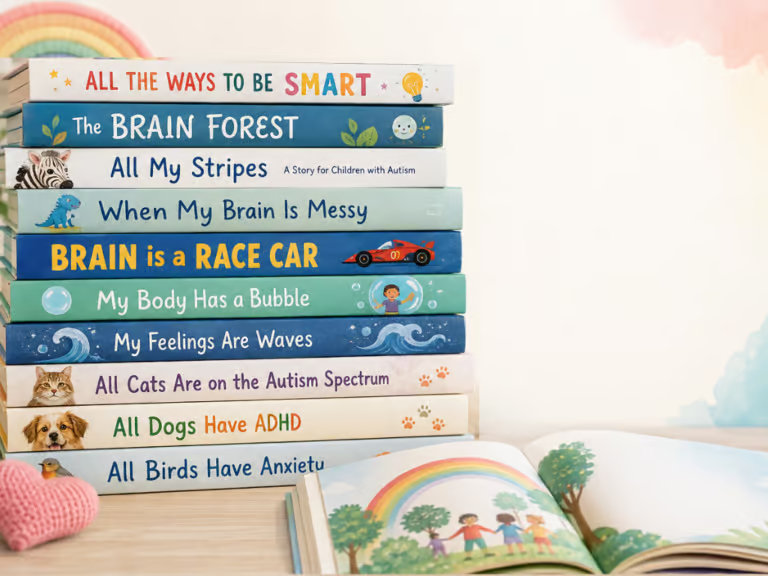
We’ve selected 10 picture books that explore neurodiversity, autism, ADHD, sensory differences, emotions and anxiety in child-friendly and engaging ways. Some celebrate strengths and identity, while others can help children recognise and talk about their own experiences.
Celebrating different ways of thinking and being
These first three books celebrate the many different ways children think, learn and experience the world, helping neurodivergent children understand and embrace who they are while recognising that every brain has its own strengths, differences and support needs.
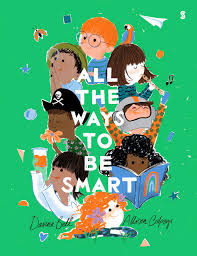
1. All the Ways to Be Smart
By Davina Bell & Allison Colpoys
What’s it about?
All the Ways to Be Smart challenges the idea that being “smart” is only about getting the right answers at school. Through playful rhyme and beautiful illustrations, it celebrates creativity, kindness, curiosity, imagination, problem-solving and many other ways children can shine.
Why we like it:
This is a lovely book for helping children recognise their own strengths, particularly those who may find traditional academic environments challenging. It creates an opportunity to talk about all the different things we can be good at and reminds children that there isn’t just one way to be smart.
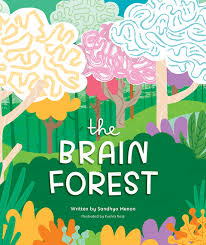
2. The Brain Forest
By Sandhya Menon
What’s it about?
The Brain Forest uses the analogy of a forest to introduce children to neurodiversity and the idea that brains can grow, think and experience the world in different ways. It explores differences without ignoring the challenges that can sometimes come with them.
Why we like it:
The forest analogy gives children a simple and positive way to understand neurodiversity. It’s also a useful starting point for conversations with siblings, classmates and families about why someone might communicate, learn, play or respond differently to them.
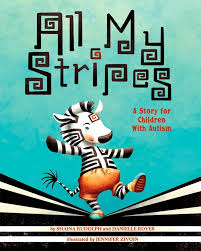
3. All My Stripes: A Story for Children with Autism
By Shaina Rudolph & Danielle Royer
What’s it about?
Zane the zebra worries that others only notice his “autism stripe” and don’t see all the other things that make him who he is. With support from his mum, Zane begins to recognise the many qualities and characteristics that make up his identity.
Why we like it:
A diagnosis is only one part of a child. This story creates an opportunity to talk about identity, strengths and differences without allowing a diagnostic label to define the whole person.
Understanding busy brains, sensory experiences and big feelings
These next four books explore what it can feel like to have a busy, fast-moving or sensitive brain. They can help children find language for their experiences while opening conversations about sensory needs, personal space and emotions.
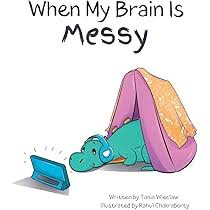
4. When My Brain Is Messy
By Tania Wieclaw
What’s it about?
Written by an autistic mum, this gentle, rhyming story follows a young dinosaur experiencing sensory overwhelm and big feelings. The story explores what it can feel like when everything becomes too much and introduces ways the character can begin to feel safe and settled again.
Why we like it:
Children don’t always have the words to explain sensory overwhelm. This story can help them recognise what overwhelm might feel like in their own bodies and give families a starting point for talking about what helps their child feel safe and regulated.
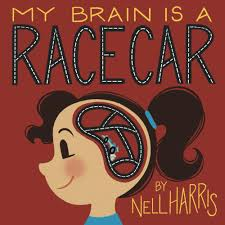
5. Brain is a Race Car
By Nell Harris
What’s it about?
Inspired by the author’s daughter’s ADHD identification, Brain is a Race Car uses the analogy of a racing car to help children understand a brain that can move very quickly. It explores the excitement and strengths that can come with a fast-moving brain while also recognising the importance of rest and support.
Why we like it:
The race car analogy gives children a simple, visual way to talk about an ADHD brain. It can be a great conversation starter around attention, energy, rest and recognising what an individual child needs when their brain feels like it’s moving particularly fast.
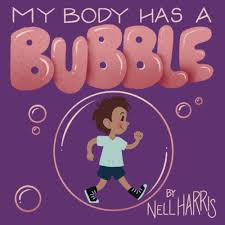
6. My Body Has a Bubble
By Nell Harris
What’s it about?
This book explores personal space through the idea that everyone has an invisible “bubble” around their body. It introduces the concept of recognising our own boundaries while respecting those of other people.
Why we like it:
Personal space can be quite an abstract concept for children. Turning it into an invisible bubble makes the idea more concrete and gives families an easy phrase they can use in everyday situations.
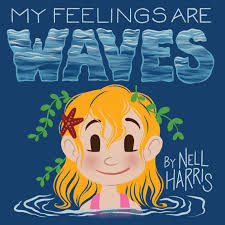
7. My Feelings Are Waves
By Nell Harris
What’s it about?
My Feelings Are Waves compares emotions to waves at the beach. Some are small and easy to ride, while others can become big enough to sweep us up.
Why we like it:
Big emotions can be difficult to explain, particularly when children are still learning to recognise what’s happening in their bodies. The wave analogy provides a simple way to talk about the fact that feelings can vary in intensity, come and go, and feel different from one experience to another.
Helping others understand different experiences
The final three books use humour, warmth and familiar animal behaviours to introduce conversations about autism, ADHD and anxiety in an accessible way.
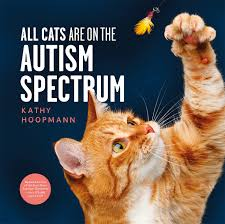
8. All Cats Are on the Autism Spectrum
By Kathy Hoopmann
What’s it about?
Using photographs of cats alongside observations about their behaviour, Kathy Hoopmann introduces characteristics and experiences that may be familiar to some autistic people, from sensory preferences and social interactions to individuality and strengths.
Why we like it:
The combination of humour and familiar animal behaviour makes this an approachable way to begin conversations about autism. It can be particularly useful for siblings, classmates and extended family members who are beginning to learn about different ways of experiencing the world.
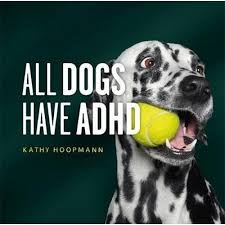
9. All Dogs Have ADHD
By Kathy Hoopmann
What’s it about?
Through photographs of energetic and expressive dogs, this book introduces children to characteristics commonly associated with ADHD, including high energy, distractibility and impulsivity, alongside creativity, enthusiasm and other strengths.
Why we like it:
The humour makes ADHD approachable without turning the book into a clinical explanation. It can provide children and families with an easy starting point for talking about how different brains manage attention, energy and everyday experiences.
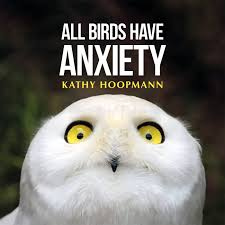
10. All Birds Have Anxiety
By Kathy Hoopmann
What’s it about?
Using colourful photographs and gentle humour, All Birds Have Anxiety explores what worry and anxiety can feel like and introduces some of the ways people can begin to understand and manage anxious feelings.
Why we like it:
Anxiety can be difficult for children to describe. Seeing those experiences represented through animals can create some distance from the child’s own experience, making it easier to begin talking about worry and what might help.
A note for grown-ups
Books that use animals and analogies can be wonderful conversation starters, but no single story can represent every autistic, ADHD or neurodivergent child’s experience. Every child is different, so these books are best used as a starting point for curiosity and conversation rather than a description of what neurodivergence “looks like”.
How to use books to start conversations about neurodiversity
You don’t need to turn story time into a lesson.
Sometimes simply reading together and allowing your child to lead the conversation is enough.
You might notice your child identifies with something a character experiences. Rather than immediately explaining it, try wondering alongside them:
“Does your brain ever feel like that?”
“What do you think helps them?”
“Is there anything that makes you feel that way?”
“What are some things your brain really enjoys?”
You could also talk about the ways people in your family are different. One person might love noisy, busy places while someone else prefers quiet. One person might need lots of movement to concentrate while another prefers to sit still. Someone might love surprises while another feels better knowing exactly what’s going to happen.
These everyday conversations can help children understand that there isn’t one “right” way for a brain to work.
And remember, children may not always want to talk about themselves directly. Stories can give them a safer way to explore an idea through someone else’s experience first.
Supporting your child’s individual way of experiencing the world
Every child communicates, learns, plays and experiences the world differently.
Sometimes those differences can make everyday activities, communication, friendships, sensory environments or managing big emotions more challenging.
At Stronger Together Foundation, our Speech Pathologists and Occupational Therapists work alongside children and families to understand each child’s individual strengths, needs and goals.
Occupational Therapy can support children in areas such as sensory processing, emotional regulation, everyday routines, motor skills and participation, while Speech Therapy can support communication, understanding and expressing language, social communication and other individual communication needs.
If you’re wondering whether your child might benefit from some extra support, learn more about our Occupational Therapy and Speech Therapy services, or get in touch with our team to talk about where to start.