What does typical development look like?
Children don’t all follow the same timeline, but here’s a general guide:
By 12 months
- Responds to their name
- Uses gestures like pointing or waving
- Makes a range of sounds (babbling)
By 18 months
- Uses around 10–20 words (or communicates meaning in other ways)
- Understands simple instructions
- Points to show interest
By 2 years
- Combines two words (e.g. “more milk”)
- Vocabulary is growing
- Understands more than they can say
By 3 years
- Uses short sentences
- Can be understood by familiar adults most of the time
- Follows simple directions
These are guides, not rules. Some children may develop skills earlier, later, or in a different order, especially neurodivergent children.
Signs your child may benefit from extra support
You know your child best. If something doesn’t feel quite right, it’s worth exploring.
Some signs to look out for:
- Limited use of words or difficulty expressing needs
- Not responding to their name or to simple instructions
- Frustration when trying to communicate
- Speech that is difficult to understand for their age
- Loss of previously used words or skills
- Preferring to communicate without words (which is valid, but may still benefit from support to expand options)
It’s important to say: these signs don’t mean something is “wrong” with your child. They simply indicate they may benefit from support to build communication skills in ways that work for them.
What if I’m not sure?
You don’t need to wait until you’re certain.
Many families tell us they had a “gut feeling” early on. Acting on that feeling can make a big difference, not because something is wrong, but because early support can open up more opportunities for your child to connect, participate, and be understood.
A screening or initial chat can give you clarity and peace of mind.
How speech therapy can help
Speech therapy looks different for every child. It might involve:
- Supporting early communication (gestures, sounds, first words)
- Building understanding and following instructions
- Expanding vocabulary and sentence use
- Supporting alternative communication methods (e.g. visuals, AAC)
- Helping reduce frustration and increase confidence
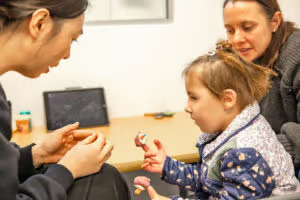
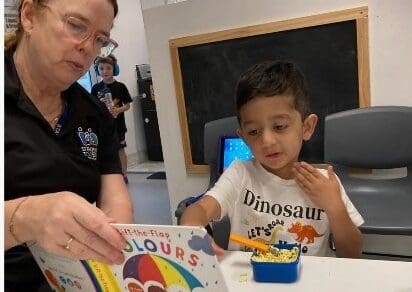
Importantly, therapy is play-based, relationship-focused, and tailored to your child’s strengths and interests.
You don’t have to figure it out alone
If you’re wondering whether your child’s speech and language development is on track, we’re here to help.
At Stronger Together Foundation, we offer:
- Friendly, no-pressure conversations
- Developmental screeners
- Individualised, neurodiversity affirming speech therapy
👉 Book a speech and language screener or enquiry call: Email us today info@stf.org.au
Let’s talk about your child, what you’re noticing, and what support might look like