In any classroom, you’ll find a wide range of learning styles, sensory preferences, and regulation needs. Some children may become overwhelmed by noise, while others seek out movement or tactile input to stay engaged. A sensory-friendly classroom isn’t about adding special equipment, but it’s about creating an environment that respects and responds to diverse sensory needs.
When the classroom environment is thoughtfully designed with calming spaces, visual supports, and sensory-friendly options, it can promote regulation and support participation for all students.
These strategies don’t just benefit a few, but they contribute to a culture of inclusion, where every child feels safe, understood, and ready to learn.
Below is a list of 10 sensory supports that can be naturally integrated into the classroom.
1. Hideout Tent
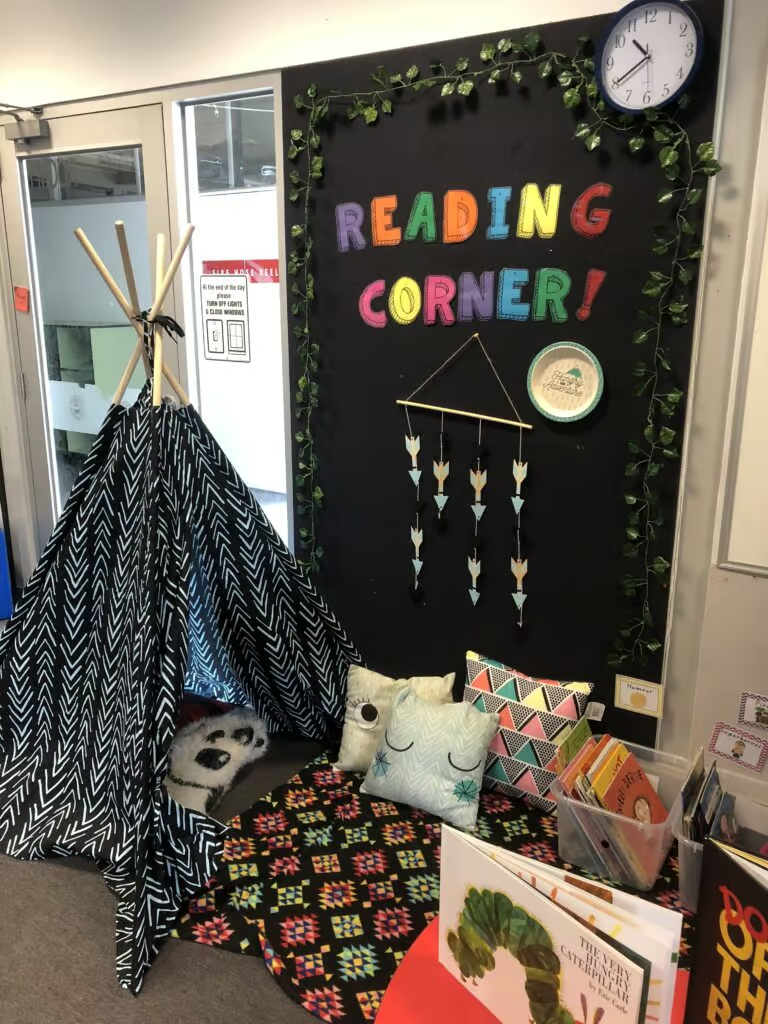
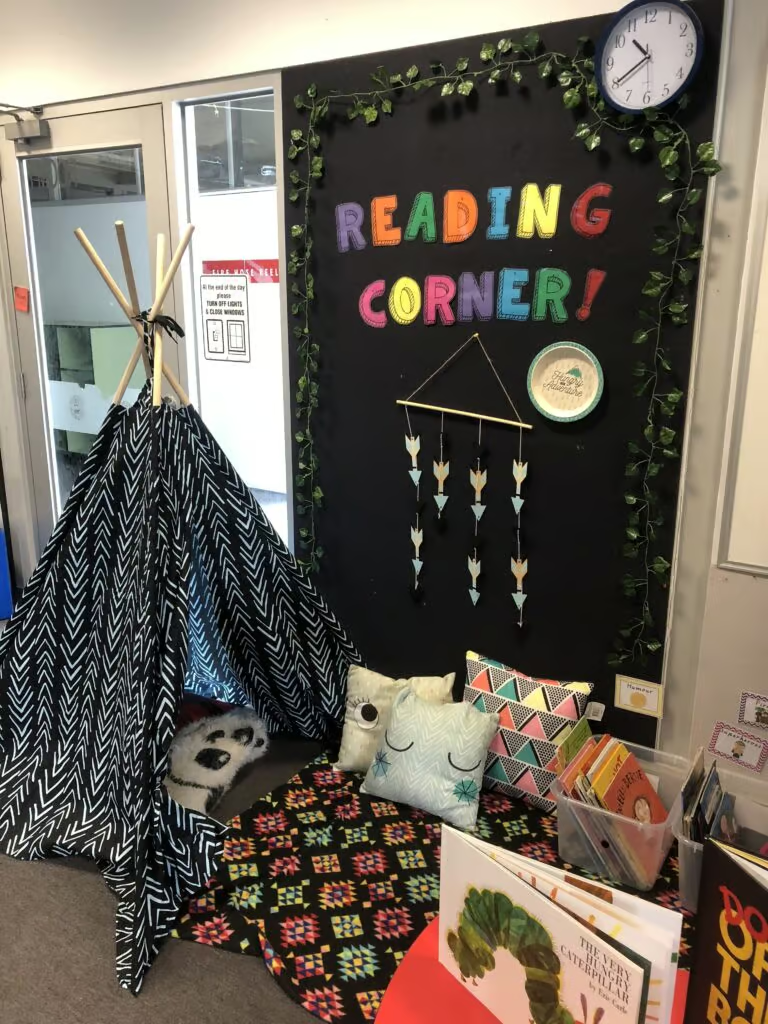
A small, enclosed space (like a pop-up tent or fabric canopy) offers children a calming retreat when children feel overwhelmed by noise, visual input or social demands. It can provide a reduced sensory input and a sense of security.
How to use: Set up in a quiet corner of the classroom and allow students to visit as needed for a sensory break. You might include cushions, soft toys, or visual supports inside. A helpful tip is allowing the child to choose how long they might need through a countdown timer. That way, they feel a sense of autonomy and can begin to learn how much time they need to regulate before rejoining the class.
2. Visual Timers
Visual timers help children to track and understand the concept of time and ease transitions between tasks.
How to use: Try using hourglasses, sand timers, or digital countdowns on smartboards. You could use them on the board during group activities to signal how long is left before moving on to the next activity. For example, “5 more minutes, then we pack away!”
3. Visual Supports (e.g., Visual Schedules)
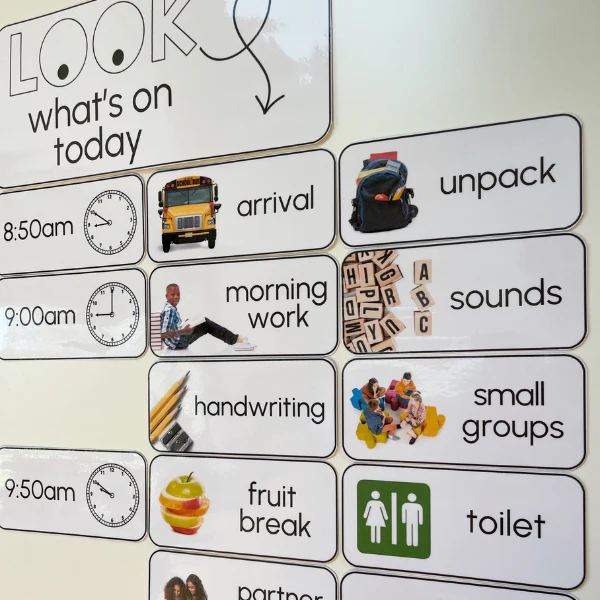
Visual supports can reduce anxiety by making routines predictable and aid comprehension. They are especially helpful for students who process information better visually than verbally.
How to use: Post a visual schedule of the day’s activities using images or symbols. Other visual supports include “first-then” boards, “Who’s turn is it?” board, “choice boards,” or step-by-step task visuals (e.g., washing hands or packing away).
4. Feelings Cards & “I Need Space” Cards
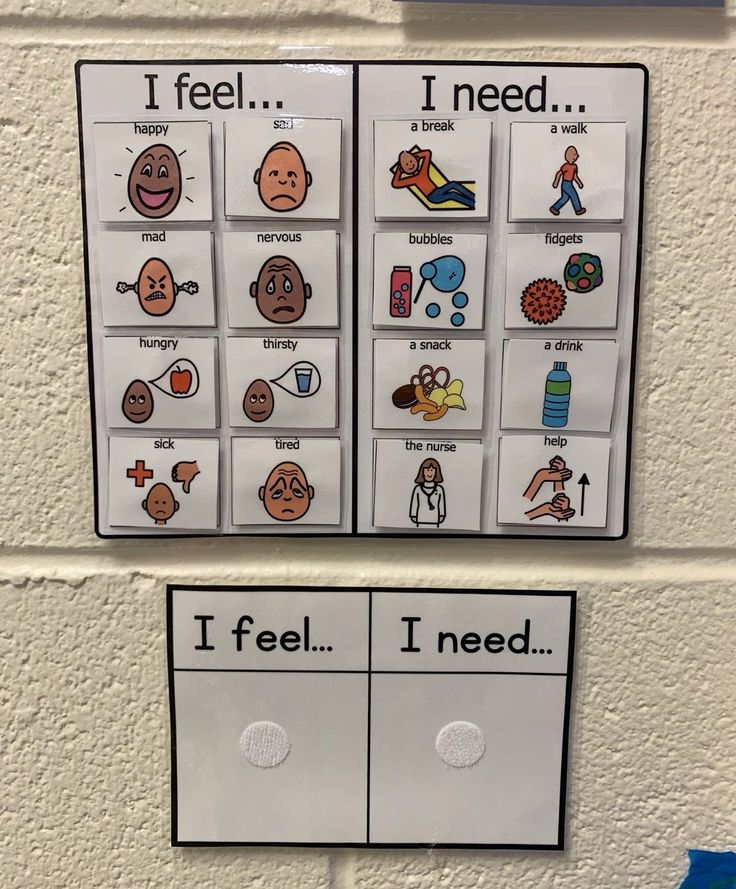
These tools promote emotional literacy and support communication, especially for children who may not yet have the words to express how they’re feeling.
How to use: Use a chart with emojis or feelings faces to help children check in with their emotions. Include “I need space” cards for students to signal when they need a break or are feeling dysregulated. These can be kept on the wall or near the hideout tent.
5. Fidget Tools
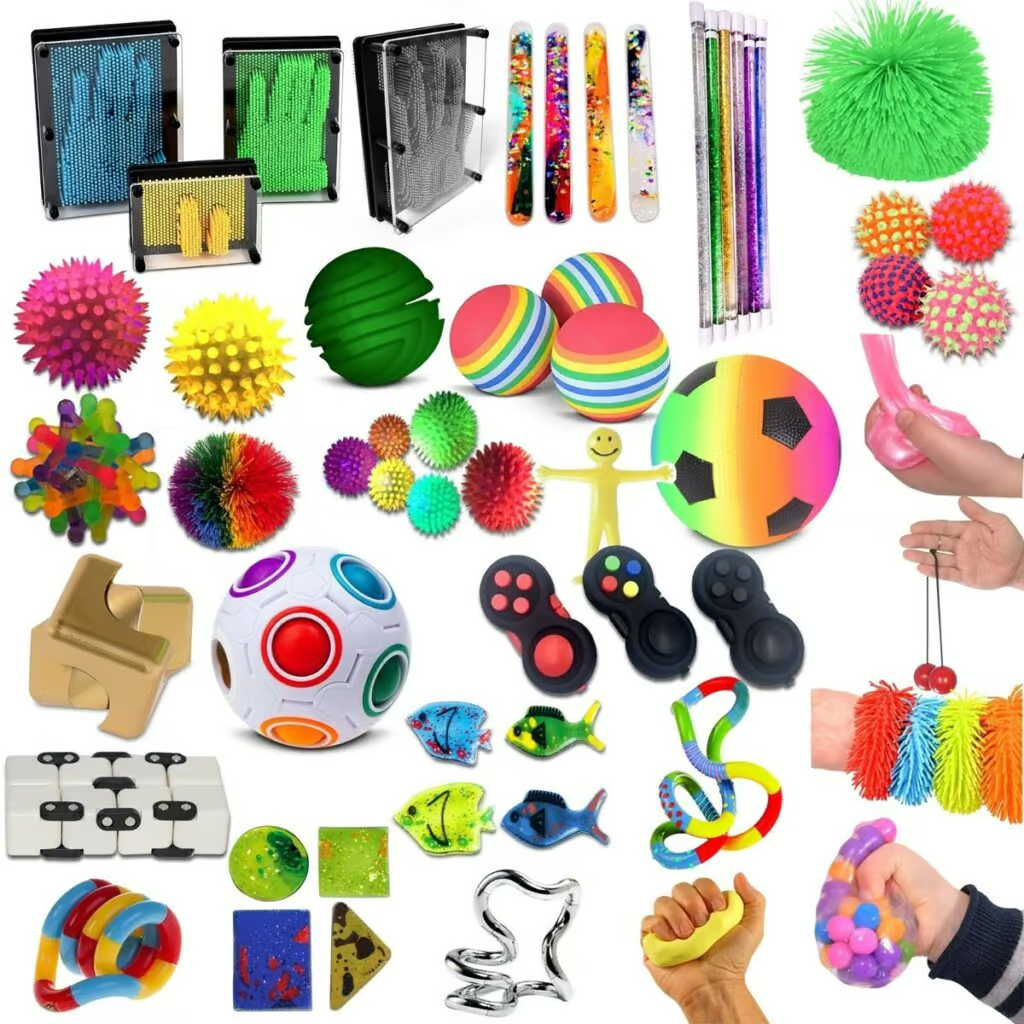
Small, handheld tools that provide tactile (touch) input and help children stay focused during listening tasks or transitions.
How to use: Offer a variety of options like putty, textured rings, twistable toys, or stress balls. These can be used during group times, reading, or mat sessions. A class-wide discussion or teaching session may help establish clear guidelines for their use.
Example rule: “Fidget tools help our hands so our brains can focus, they stay in our hands and don’t distract others.”
It’s important to remember that fidget tools aren’t helpful for everyone. Each child’s body and brain work differently when it comes to focusing and learning. Some children may need to move, fidget, or look away in order to process information effectively. Looking at the speaker isn’t the only way to show listening – focus can look different for different learners.
6. Weighted Toys
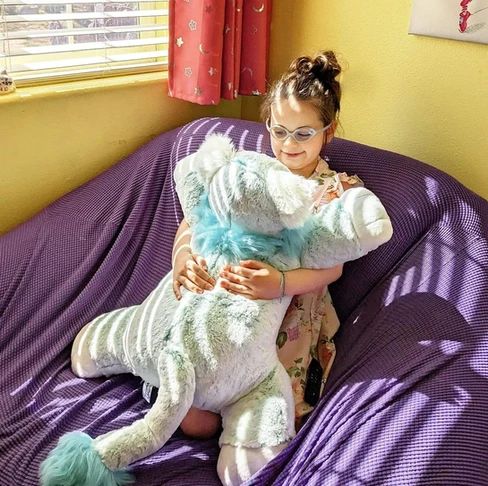
Weighted items (like stuffed animals or lap pads) provide calming deep pressure input that can help regulate their bodies.
How to use: Let children place a weighted toy on their lap during seated tasks or story time. These can be especially helpful for students who have trouble sitting still or who benefit from deep pressure input.
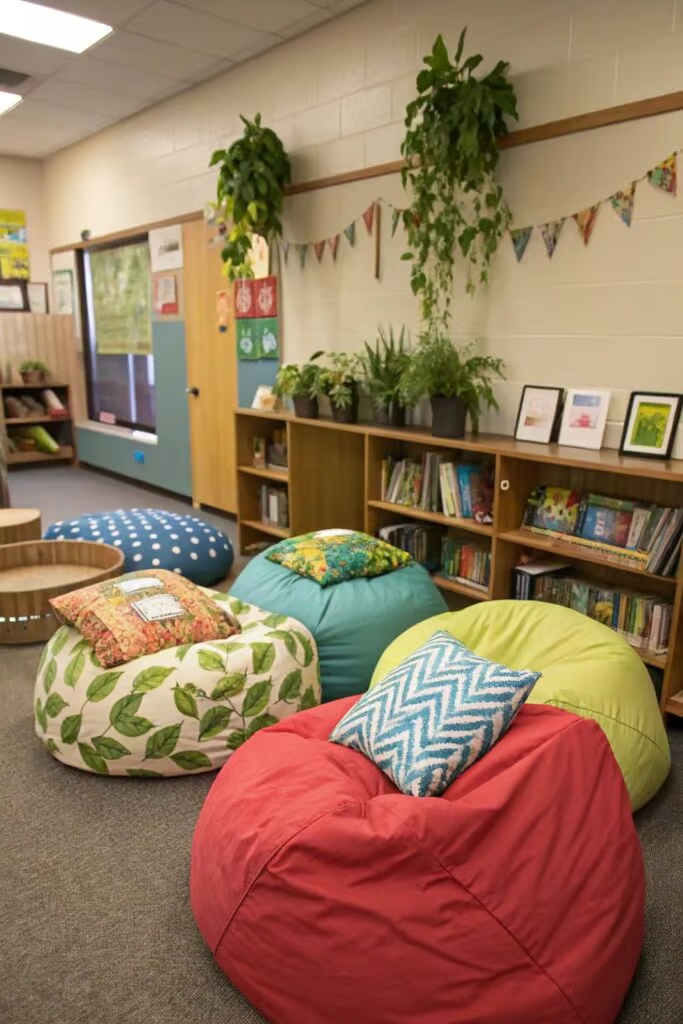
7. Alternative Seating Options
How to use: Provide a variety of flexible seating options to support different sensory and postural needs. These may include wobble cushions, wobble chairs, sitting on a pillow, or lying on the floor to complete work. Allow students to choose the option that best helps them stay regulated and engaged.
8. Noise-Reducing Headphones
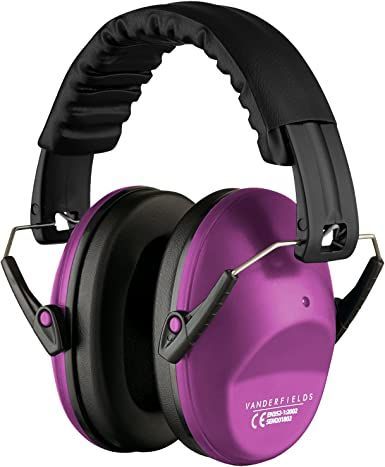
Some students may be easily overwhelmed by sudden or loud noises, especially in busy classrooms.
How to use: Offer noise-reducing headphones during transitions, assemblies, or noisy tasks (e.g., vacuuming, class parties) and keep them accessible!
9. Auditory Supports
Sound can be a powerful tool to support routine, engagement, and learning.
How to use: Use familiar tunes (like “Clean Up” songs) to signal transitions. Try instruments like a triangle, bell, or rainstick to mark changes in activity.
10. Movement Breaks
Movement is essential for regulation. Many students, especially those with sensory processing differences benefit from short, structured opportunities to move throughout the day.
How to use: Build in 1–2-minute breaks every 30–60 minutes. Examples include:
- Animal walks (bear crawl, crab walk)
- “Simon Says” with movement
- Stretching or yoga poses
- Movement songs such as Danny Go!, GoNoodle, Yogapalooza
You can also incorporate movement into transitions, like hopping to the carpet or tiptoeing to line up.
By embedding these sensory-friendly strategies into the everyday class routines, we can create a space where every child feels safe, supported, and ready to learn in their own way. Small changes can make a big difference!