
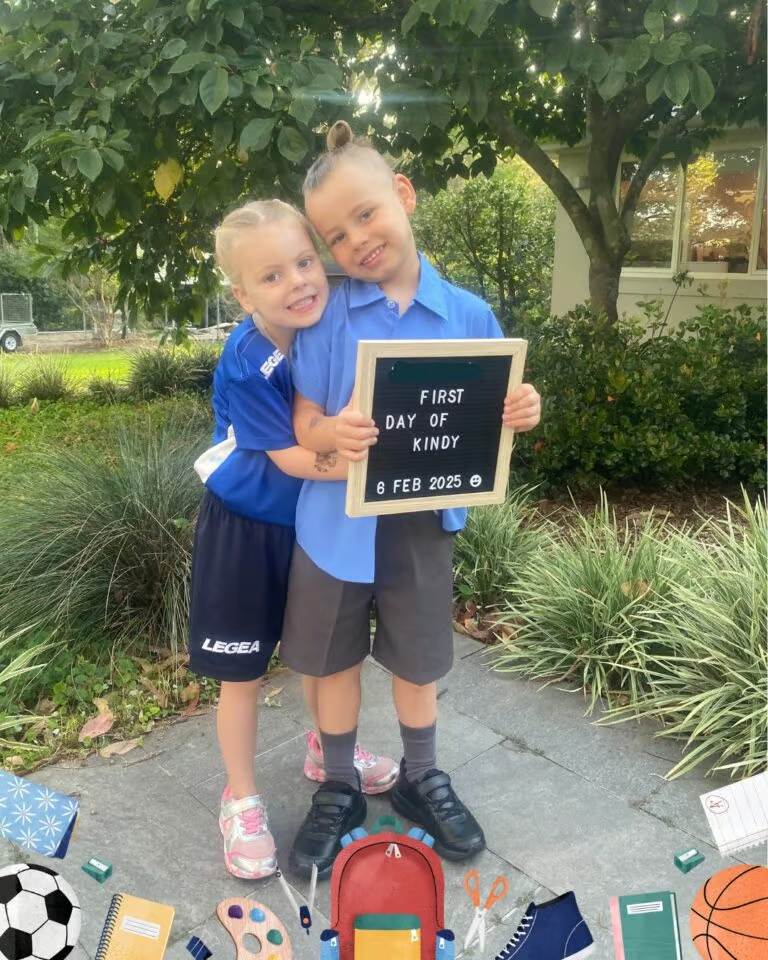
Starting school is a significant milestone for every child, and for those with developmental delays or neurodivergent children, this transition can present unique challenges. Here at the Stronger Together Foundation, we are committed to supporting families through this journey, ensuring that each child feels prepared and confident as they step into their new educational environment.
The move to school involves new routines, environments, and social dynamics. For neurodivergent children (and their parents!), these changes can be both exciting and overwhelming. Our goal is to provide strategies that foster a smooth transition, promoting a sense of belonging and readiness. Please feel free to talk to your child’s therapist if you have any specific concerns.
Supporting emotional readiness during the school holidays
Alongside practical preparation, supporting your child’s emotional readiness is just as important. Short, positive conversations about school can help children process what’s ahead and share any worries they may have. Let your child ask questions, acknowledge their feelings, and reassure them that it’s okay to feel unsure.
Practising small separations during the holidays, such as spending time with a trusted adult or attending short activities without a parent nearby, can help build confidence in being away from home in a safe and supported way.
Focusing on regulation and wellbeing can also make a big difference. Encouraging outdoor play, sensory breaks, rest time and familiar calming activities can help children feel settled and ready for the first day of school.
Preparing through social stories
Social stories are effective tools to help children understand and anticipate new experiences. Creating personalised stories that outline daily routines, introduce key individuals, and depict common school scenarios can enhance your child’s understanding and comfort. Including photographs of the school environment and talking through what to expect can further support familiarisation.
Encouraging independence
Building independence in managing personal belongings and self-care tasks is beneficial. Practising skills such as dressing in their school uniform, organising their school bag, and carrying their own bag can boost confidence and readiness for school.
Establishing and practising routines
Consistency is key to helping children adapt to new schedules. Practising daily routines at home, such as dressing in the school uniform, packing a school bag, and rehearsing drop-off and pick-up procedures, can make these activities more predictable and manageable. Utilising visual schedules or calendars to count down the days until school starts can also help children understand what’s coming next.
The school holidays are also a helpful time to gently introduce parts of the school-day routine without pressure. Keeping regular wake-up times, meal routines and quiet rest periods can make the transition to school days feel less sudden once term begins.
Collaborating with the school
A strong partnership between parents and educators is essential. Sharing up-to-date information about your child’s strengths, needs, and effective strategies helps the school provide appropriate support. Providing recent assessment reports, child profiles, and details about sensory tools or visual supports can assist in creating a supportive learning environment from the start.
Building familiarity with key individuals
Establishing relationships with school personnel is so beneficial for children and parents alike. If possible, introducing your child to their classroom teacher, principal, office staff and specialist teachers (such as SLSOs or librarians) can help create a network of familiar faces and reduce anxiety in the early days of school.
Exploring the school environment
Familiarity with the physical layout of the school can help ease the transition. Visiting key areas such as classrooms, playgrounds, toilets, the canteen, and pick-up and drop-off points can help build confidence and reduce uncertainty.
By taking small, thoughtful steps during the school holidays and continuing to work closely with your child’s school, families can support children to feel more confident, settled and ready as they begin this important new chapter.