As parents, you get to know your child deeply, how they play, how they move, how they respond to the world around them.
Sometimes, you might notice things that feel a little harder for them than for other children. Not wrong. Not a problem to fix. Just… harder.
That’s often where occupational therapy (OT) can help.
First, what does an occupational therapist do?
For children, “occupation” simply means the everyday things they do:
- Playing
- Getting dressed
- Eating
- Participating at preschool or school
- Connecting with others
An OT supports children to build the skills, confidence and independence to take part in these everyday moments, in ways that feel right for them.
1. Everyday tasks feel harder than expected
You might notice your child:
- Avoids getting dressed or struggles with buttons, zips or shoes
- Finds mealtimes challenging (utensils, textures, sitting at the table)
- Needs a lot of help with tasks other children are starting to do independently
These moments can sometimes look like “resistance”, but often they reflect underlying skill development, coordination, or sensory needs.
2. Big reactions to sensory experiences
Some children experience the world very intensely, or not intensely enough.
You might notice:
- Sensitivity to noise, clothing, textures, or busy environments
- Avoiding certain activities (e.g. messy play, hair brushing)
- Seeking lots of movement, crashing, spinning or jumping
- Becoming overwhelmed in environments like shopping centres or playgrounds
This isn’t “behaviour”. It’s your child’s nervous system responding to sensory input.
3. Difficulty with focus, attention or regulation
If your child finds it hard to:
- Sit and engage in an activity
- Transition between tasks
- Follow routines
- Regulate emotions when things don’t go as expected
…it may be linked to how they process sensory information, not simply their willingness to cooperate.
OT can support children to better understand their bodies and build strategies that help them feel more regulated and in control.
4. Challenges with coordination or motor skills
You might notice your child:
- Trips or bumps into things often
- Finds activities like climbing, running or ball skills tricky
- Avoids drawing, colouring or fine motor tasks
- Tires easily during physical play
These are all areas where OT can support both gross motor (big movements) and fine motor (hand skills) development, in a way that builds confidence rather than pressure.
5. Struggles with transitions, routines or flexibility
Daily life can feel overwhelming for some children, especially when things are unpredictable.
You might see:
- Difficulty moving between activities
- Strong need for routines or sameness
- Distress when plans change
- Challenges getting out the door in the morning or settling into new environments
These experiences often reflect how a child processes change, expectations and sensory input.
A neurodiversity affirming perspective
At Stronger Together Foundation, we see these differences as part of your child’s unique profile, not something to “fix”.
OT is not about making children fit into a mould.
It’s about:
- Understanding your child’s strengths and needs
- Supporting their participation in everyday life
- Reducing overwhelm
- Building skills in a way that feels safe, respectful and empowering
We work with your child, not against who they are.
What if I’m unsure?
You don’t need to have all the answers.
If you’ve been wondering, noticing patterns, or just have a gut feeling, it’s worth exploring.
Early support doesn’t mean something is wrong. It simply creates more opportunities for your child to feel confident, capable and included.
How OT can help
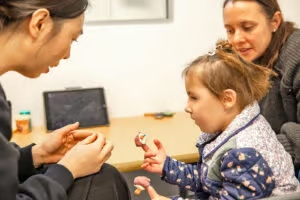
Occupational therapy is practical, play-based and tailored to your child.
It might include:
- Building independence with daily tasks
- Supporting sensory processing and regulation
- Developing fine and gross motor skills
- Creating routines that work for your family
- Helping your child participate more comfortably at home, school and in the community
You don’t have to navigate this alone
If you’re wondering whether your child might benefit from OT support, we’re here to help.
At Stronger Together Foundation, we offer:
- Friendly, no-pressure conversations
- Developmental screeners
- Individualised, neurodiversity affirming OT support
👉 Book an OT screener or enquiry call Click Here
Let’s talk about what you’re noticing and how we can support your child in a way that works for them.